


Logan Layden
KGOU Managing EditorLogan Layden is a reporter and managing editor for StateImpact Oklahoma. He is a native of McAlester, Oklahoma and graduated from the University of Oklahoma in 2009. Logan spent three years as a state capitol reporter and local host of All Things Considered for NPR member station KGOU in Norman and six years as a reporter with StateImpact from 2011 to 2017. Most recently, he was news director for McAlester Radio before returning to public radio in 2020.
-
 With President Donald Trump stumping in our state this evening, StateImpact’s Logan Layden talked with OU political science professor Allyson Shortle about the politics of the visit.
 -
 The University of Oklahoma announced a $150 million donation from billionaire oil executive Harold Hamm Tuesday.
 -
 It appeared the Heartland Flyer was facing the end of the line this year. But funding for Oklahoma’s only passenger rail service is back on track, for now.
 -
 In a Republican runoff debate that grew contentious at times, state superintendent of public instruction candidates Robert Franklin and James Taylor shared concerns about each other that drifted from past incidents to political rhetoric.
 -
 The Oklahoma City metro is growing at a rapid pace. But public transportation is lacking. ONE Transit aims to transform how residents move around the city.
 -
 Oklahomans are a step closer to having a new governor and U.S. senator following primary elections where they also rejected raising the minimum wage on Tuesday.
 -
 The 2026 legislative session has come to end. Logan Layden talked with StateImpact Oklahoma reporters about their takeaways on legislation impacting education, health, science and the environment.
 -

-
 The effort to adjourn the Oklahoma Legislature early gets complicated. KGOU Managing Editor Logan Layden and Quorum Call Publisher Shawn Ashley discuss the latest in this week's Capitol Insider.
 -
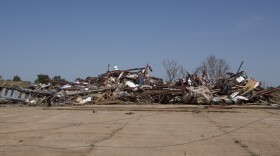 Powerful tornadoes struck north-central Oklahoma Thursday evening, impacting Vance Air Force Base and the Enid area.


